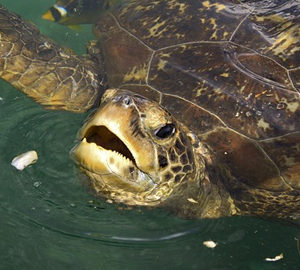
The serene shores of Saint Simons Island are calling all nature lovers as we welcome the magical nesting season of our sea turtles.
Between the blooms of May and the warmth of August, our sandy beaches become cradles of life, where gentle sea turtles come ashore to lay their precious eggs.
During these vital months, the Island transforms into a haven for these majestic creatures and an extraordinary spectacle for residents and visitors alike. We invite you to witness the beauty of nature’s cycle but also remind you to tread carefully and respect the guidelines in place to protect our turtle friends and their nests.
Between May and August, sea turtles gather on the beaches of the Golden Isles for nesting season.
Female sea turtles lay eggs in body pits, marked by tracks leading from the ocean to their nests. While it’s tempting to approach them, it’s crucial to respect their space and not disturb the nesting sea turtles.
During nesting season, it is not uncommon to witness female sea turtles coming ashore at night to lay their eggs. This process can take several hours as the sea turtle carefully digs a body pit with her flippers and deposits around 100-150 eggs into it. After covering the eggs with sand, the sea turtle will use her flippers to smooth out the surface before returning to the ocean.
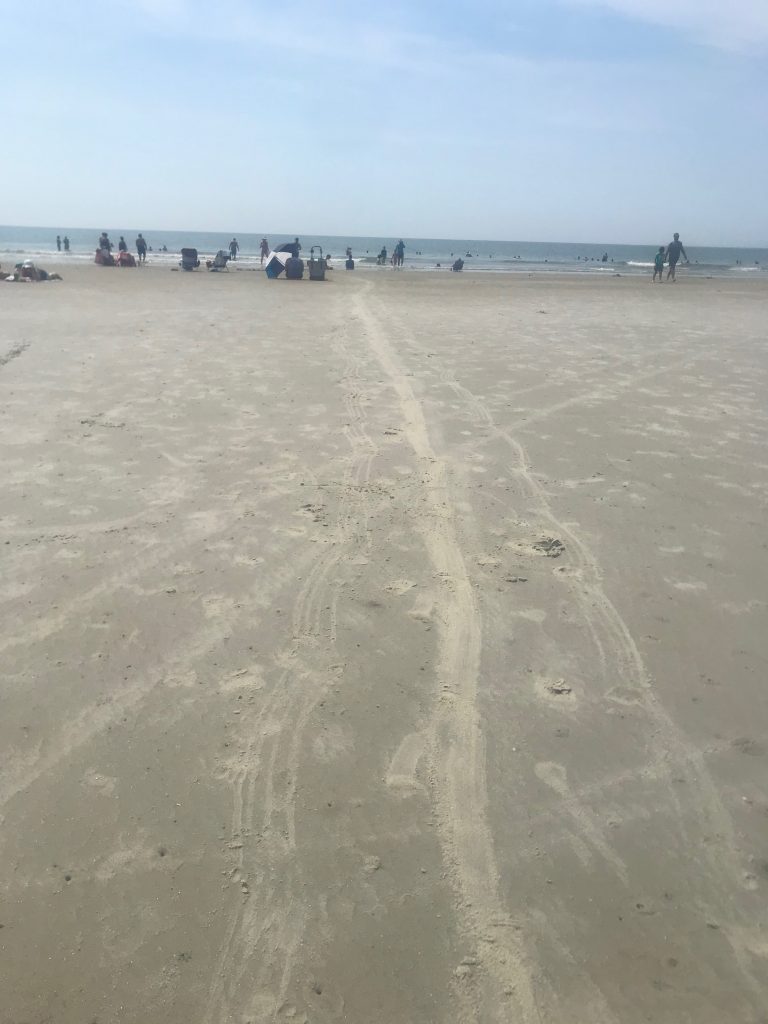
As fascinating as it may be, it is important to remember that sea turtles are protected species and disturbing them during this time can have serious consequences. In fact, approaching or touching a sea turtle nest is illegal and can result in hefty fines and even jail time.
But why are these gentle creatures so strictly protected?
The answer lies in their endangered status. All seven species of sea turtles are considered either endangered or threatened, meaning they face extinction if not protected. This is due to a variety of factors such as habitat destruction, pollution, accidental capture in fishing gear, and poaching for their meat and shells.
Nesting season also brings about the release of hatchlings into the ocean. After incubating underground for around two months, the hatchlings emerge from their shells and make their way to the surface. They then use the moonlight reflecting off the water to guide them towards the ocean. This is a critical moment for these tiny creatures as they face many obstacles. These obstacles are predators, disorientation from artificial lights, and debris on the beach.
Fortunately, there are efforts being made to protect sea turtles and their nesting grounds.
The Georgia Sea Turtle Center on Jekyll Island work to rescue and rehabilitate injured or sick sea turtles. They also educate the public on their conservation. Additionally, beachfront properties in the Golden Isles have implemented practices to minimize light pollution.
Visitors can also do their part by following guidelines and regulations set in place to protect nesting sea turtles. This includes:
- not approaching or touching nests
- avoiding the use of flashlights or photography on the beach at night
- properly disposing of any trash or debris that may harm sea turtles
- oceanfront properties should keep lights dimmed at night to avoid disorienting mother turtles and their hatchlings.
If you’re lucky enough to spot these beautiful creatures, remember to keep a respectful distance. It’s not just a season; it’s a chance to partake in the delicate balance of our ecosystem.
Join us on Saint Simons Island for an unforgettable sea turtle season.
This is where summer memories are imprinted in the sands of time, alongside the tiny tracks of our newest island dwellers.