Hofwyl-Broadfield Plantation, located in Brunswick, Georgia showcases the history and culture of plantation life in the antebellum South.
It specifically focuses on the rice production industry that flourished in coastal Georgia. The plantation was originally owned by William Brailsford, who purchased the property in 1800. The main house was built around 1853 and is an excellent example of Greek Revival architecture. Today, the plantation is operated by the Georgia Department of Natural Resources and offers guided tours of the main house and surrounding grounds.
Hofwyl-Broadfield Plantation provides visitors with a unique opportunity to step back in time and experience life on a southern plantation. The site features beautifully preserved buildings, including the main house, slave cabins, a barn, and a rice mill. Visitors can also explore the gardens and learn about the different crops that were grown on the plantation.
In addition to its historical significance, Hofwyl-Broadfield Plantation also offers unique opportunities for visitors of all ages.
The plantation provides educational programs for both children and adults. These programs cover topics such as slavery, agriculture, and antebellum life in the South. They are a unique opportunity for visitors to gain a deeper understanding of the complex history of plantation life.
The site also hosts special events throughout the year, such as living history demonstrations and holiday celebrations. These events allow visitors to immerse themselves in the culture and traditions of the plantation and its inhabitants during different time periods.
Another notable aspect of Hofwyl-Broadfield Plantation is its natural surroundings.
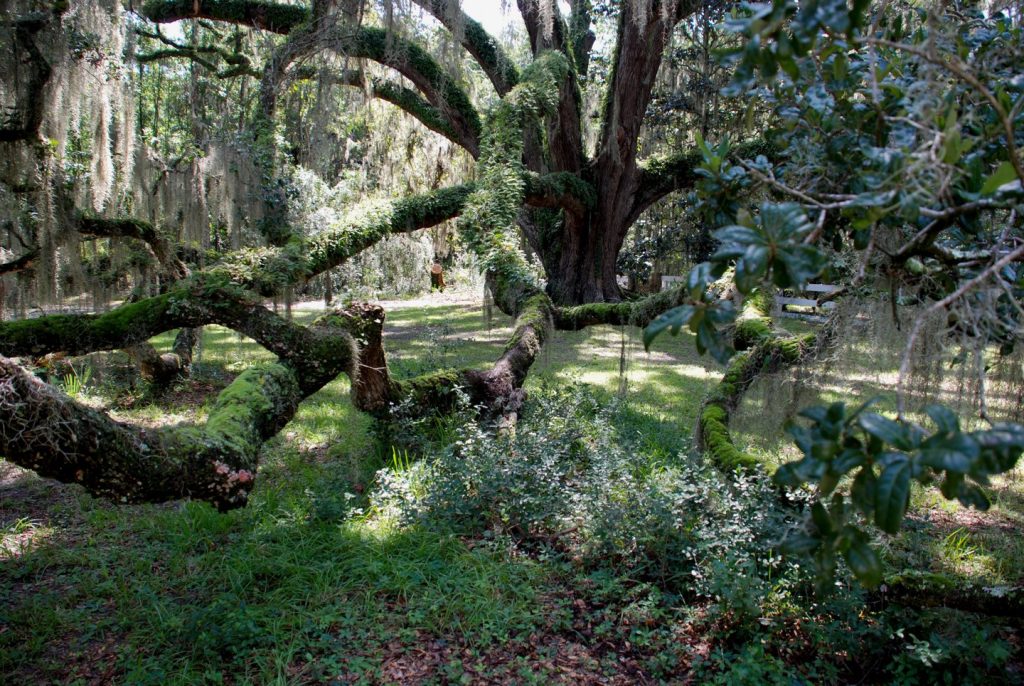
The property is located on the banks of the Altamaha River, providing stunning views and opportunities for nature walks and birdwatching. This makes it a perfect destination for outdoor enthusiasts who want to combine history with their love for nature.
In addition to touring the main grounds, visitors can also explore the various outbuildings on the property. These include a blacksmith shop, a cookhouse, and the plantation’s original rice mill. The rice mill is still operational and offers a glimpse into the technology and labor that went into producing this important crop during the time of slavery.
Hofwyl-Broadfield Plantation also hosts various events throughout the year, such as living history demonstrations, concerts, and festivals. This allows visitors to not only learn about the plantation’s history but also experience it firsthand through interactive activities.
In addition to its educational and recreational opportunities, the Plantation serves as an important cultural landmark.
It was added to the National Register of Historic Places in 1980 and continues to be a source of pride for the local community. Hofwyl-Broadfield Plantation has been preserved in its natural state with minimal restoration efforts. This means that visitors get an authentic experience rather than a heavily curated one.
Aside from its historical significance, the plantation is also home to a diverse ecosystem. The property includes marshlands, fields, and forests which provide habitats for a variety of plants and animals. Visitors can explore these natural areas through hiking trails and guided nature walks.
By visiting Hofwyl-Broadfield Plantation, tourists not only get to learn about the history of Georgia’s agricultural past but also support its preservation.
The plantation is open for tours and special events, including educational programs for schools and groups.
For more information on Hofwyl-Broadfield Plantation, go HERE.